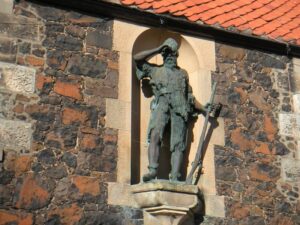
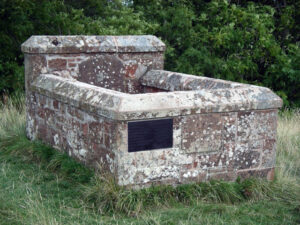
1st February 1709: Alexander Selkirk, from Lower Largo in Fife, and the inspiration of “Robinson Crusoe”, rescued from Isla Más a Tierra (today known as Robinson Crusoe Island), in the Juan Fernández Islands, over 400 miles off the West Coast of Chile.
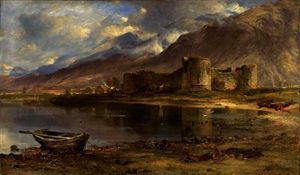
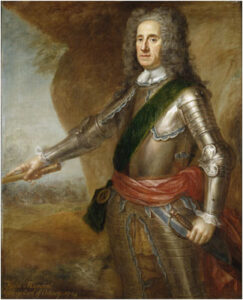
2nd February 1645: Battle of Inverlochy. The Marquis of Montrose defeated the Covenanters.
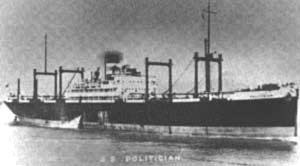
5th February 1941: ran aground of the North Shore of the Island of Eriskay. The event and subsequent developments is remembered in the film “Whisky Galore”.
See also:
Whisky Galore and the SS Politican
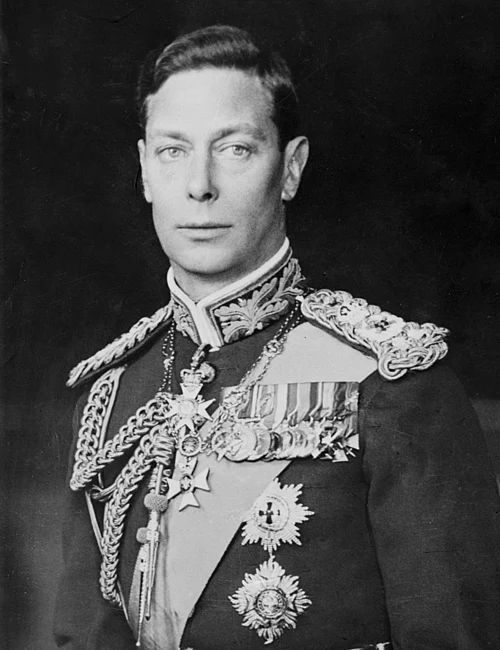
6th February 1952: George VI died at Sandringham, aged 56. Queen Elizabeth accedes to the Throne. 2012 marks the Diamond Jubilee of her Reign.
Churchill’s tribute to George VI.
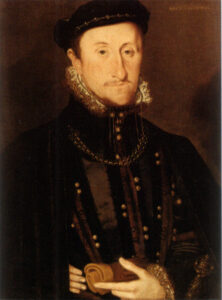
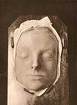
10th February 1567: Henry Stuart, Lord Darnley, died. A massive explosion destroyed Kirk o’ Fields house, where he was staying, but his body and that of his valet were found in an orchard nearby, strangled.
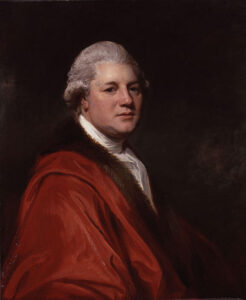
13th February 1692: The Massacre of Glencoe. Captain Robert Campbell of Glenlyon and a Government force massacred 38 MacDonalds on direct orders from Dalrymple of Stair, orders, counter-signed twice by King William. In terms of the Highland Culture of the times, the real offence was that the Government force had accepted their hospitality (for some 12 days) before turning on them.
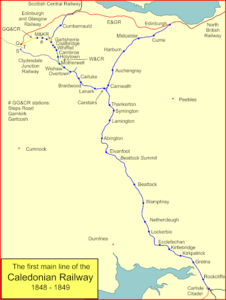
15th February 1848: The Caledonian Railway opened its line from Beattock to Glasgow and Edinburgh.
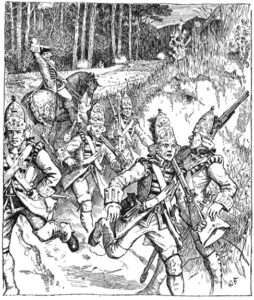
16th February 1746: The Rout of Moy. The Jacobites overcame a Government Force who were attempting to capture Charles Edward Stuart at Moy Hall. The only death in the Rout of Moy was that of Donald Ban MacCrimmon, Hereditary Piper to the MacLeods of Dunvegan.
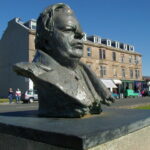
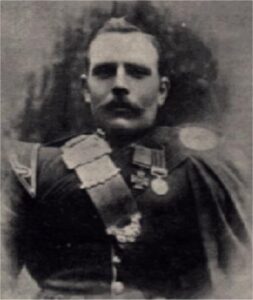
16th February 1872: Pipe Major George Findlater VC, of The Gordon Highlanders born at Mill of Turriff, Aberdeenshire. He won the Victoria Cross at the Heights of Dargai, during the Tirah Campaign, NW India, on 20th October 1897, playing the successful attack forward after being shot through both legs.
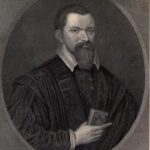
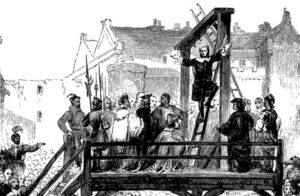
17th February 1688: Rev. James Renwick, Covenanter, executed at the Grassmarket, Edinburgh.
24th February 1303: The Battle of Roslin. The action at Roslin was typical of combat in this period; a clash between relatively small groups of men-at-arms (armoured cavalry), not, as popularly written, a battle of manoeuvre involving many thousands.
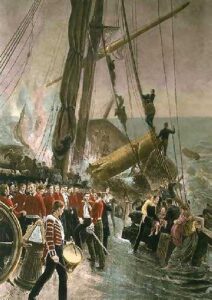
26th February 1852: The sinking of the Troopship “BIRKENHEAD” off Danger Point, South Africa. The Ship’s Company, the Officers, Non Commissioned Officers and Men, of several units including three Scottish Regiments stood fast with no hope of rescue as the ship sank beneath them, while every woman and child on board was saved in the few serviceable lifeboats. HMS Birkenhead
27th February 1545: The Battle of Ancrum Moor. The Scots, led by the Earl of Angus defeated a much larger English force.