7th May 1711: David Hume one of the most important figures in Western Philosophy and the Scottish Enlightenment, born in Edinburgh. The David Hume Tower (DHT) at Edinburgh University is now called 40 George Square on account of his comments on matters of race.
7th May 1890: James Nasmyth, engineer and inventor and builder of the first steam hammer, died.
8th May 1854: Captain Robert Barclay Allardice, the famous exponent of “pedestrianism”, precursor to race walking, died. 6th Laird of Ury, commissioned in the 23rd Regiment of Foot he was ADC to the Marquis of Huntly in the ill-fated Walcheren Expedition in 1809. The Celebrated Captain Barclay: Sport, Money and Fame in Regency Britain, Peter Radford ISBN 0747272220
8th May 1945: VE (Victory in Europe) Day. “A German delegation arrived at the headquarters of British Field Marshal Bernard Montgomery at Lüneburg Heath, east of Hamburg, on 4th May. There, Montgomery accepted the unconditional surrender of German forces in the Netherlands, northwest Germany and Denmark. On 7th May, at his headquarters in Reims, France, Supreme Allied Commander General Eisenhower accepted the unconditional surrender of all German forces. The document of surrender was signed on behalf of Germany by General Alfred Jodl and came into effect the following day. Soviet leader Josef Stalin wanted his own ceremony. At Berlin on 8th May, therefore, a further document was signed – this time by German Field Marshal William Keitel. “ What You Need To Know About VE Day
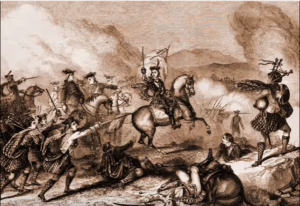
9th May 1645: The Marquis of Montrose’s Forces defeated Covenanters at Auldearn, near Nairn, remembered in verses of the song “The Haughs of Cromdale”, which was actually 45 years later.
9th May 1860: J M Barrie, the Scottish playwright and novelist, born. Mainly remembered today for “Peter Pan” his works include “A Window in Thrums” and the “The Admirable Crichton”.
9th May 1909: Robert Garioch, poet and translator who wrote mainly in the Scots language, born. He died on 26th April 1981.
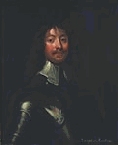
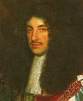
11th May 1672: Charles Seton, 2nd Earl of Dunfermline died. A devoted Royalist he left the country after the execution of Charles I and returned with Charles II.
14th May 1689: The Cameronians , (Scottish Rifles), formed. Their first Commanding Officer was William Cleland, who would be killed weeks later at the Battle of Dunkeld, 21st August, and their Colonel, was the Earl of Angus. The Regiment chose disbandment rather than merger, in 1967.
14th May 1752: The Appin Murder. Colin Campbell of Glenure “The Red Fox” shot, allegedly by Alan Breck Stewart (of “Kidnapped” fame). James Stewart was later found guilty and hanged, despite a lack of evidence.
By Euan Nelson, CC BY-SA 2.0, https://commons.wikimedia.org/w/index.php?curid=14409339
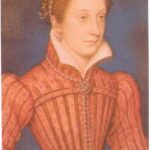
16th May 1568: Mary Queen of Scotscrossed the River Solway into exile landing at Workington. She spent her first night at Workington Hall owned by a friend of Lord Herries.
19th May 1795: James Boswell, biographer of Samuel Johnson, died.
20th May 685: Battle of Nechtansmere, south of Forfar in Angus, Picts, under Bridei son of Bili, defeat the Angles effectively halting their northern progress.
20th May 1303: France and England conclude peace allowing Edward I to turn his attentions to Scotland.
20th May 1747: as a preventive measure for scurvy, a condition which affected sailors on long voyages. The lime juice issued subsequently to the Royal Navy gave rise to the term “limey”, particularly in North America.
21st May 1650: The Marquis of Montrose, having been betrayed at Ardvreck Castle by MacLeod of Assynt, after the Battle of Carbisdale, was hanged at the Mercat Cross in Edinburgh.
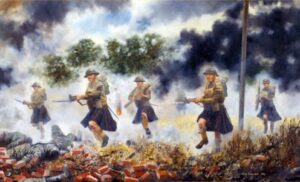
21st May 1940: 1st Battalion, The Cameron Highlanders in action at the Escaut Canal. The Camerons were the last Scottish Regiment to fight in kilts.
Prints are obtainable from the artist, David Rowlands www.davidrowlands.co.uk
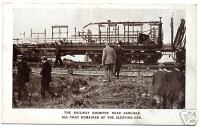
22nd May 1915: 214 members of the 7th Battalion, The Royal Scots were killed en route to Gallipoli when their train crashed into carriages of a local train, and then the northbound express collided with the wreckage at Quintinshill.
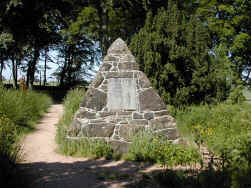
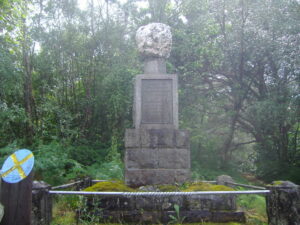
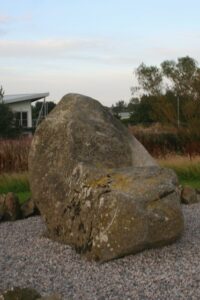
23rd May 1308: The date is uncertain but the 700th Anniversary of Robert the Bruce’s defeat of the Earl of Buchan at the Battle of Inverurie, otherwise known as the Battle of Barra was celebrated locally on this date in 2008.
Bruce's Seat, the stone from which King Robert is reputed to have directed the battle By Andrew Wood, CC BY-SA 2.0,
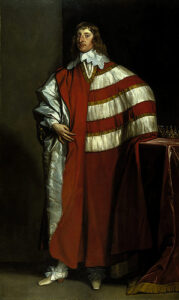
John Maitland, Duke of Lauderdale by Jacob Huysmans, Public domain, via Wikimedia Commons
24th May 1852: Robert Cunningham Graham, organiser with Keir Hardie of the Scottish Labour Party and who went on to become the first president of the Scottish National Party, born.
Robert Bontine Cunninghame Graham (1852-1936)
25th May 1660: Charles II returned to The United Kingdom, and the date became known as Royal Oak Day.
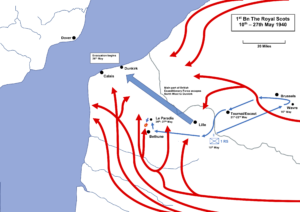
25th/27th May 1940: 1st Battalion The Royal Scots and 2nd Battalion The Royal Norfolk Regiment fight to hold the La Bassée Canal Line protecting the corridor for the BEF to evacuate at Dunkirk over the following few days Ordered to fight to the last man and the last round (bullet), they did so. By the end of the fighting on 27th May nearly all the survivors were wounded.
28th May 1546: David Beaton the Archbishop of St Andrews was murdered by leading Protestants avenging the execution of Protestant Martyr, George Wishart.










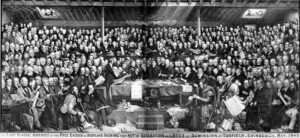
_-_D._O._Hill_-_Google_Art_Project.jpg "May")








#/media/File:James_Currie_b1756.jpg "May")